
It's Not What You Said, It's How You Said It
When Dutch is translated into English, readers can sometimes feel like they’re being barked at or babied. Why is that?
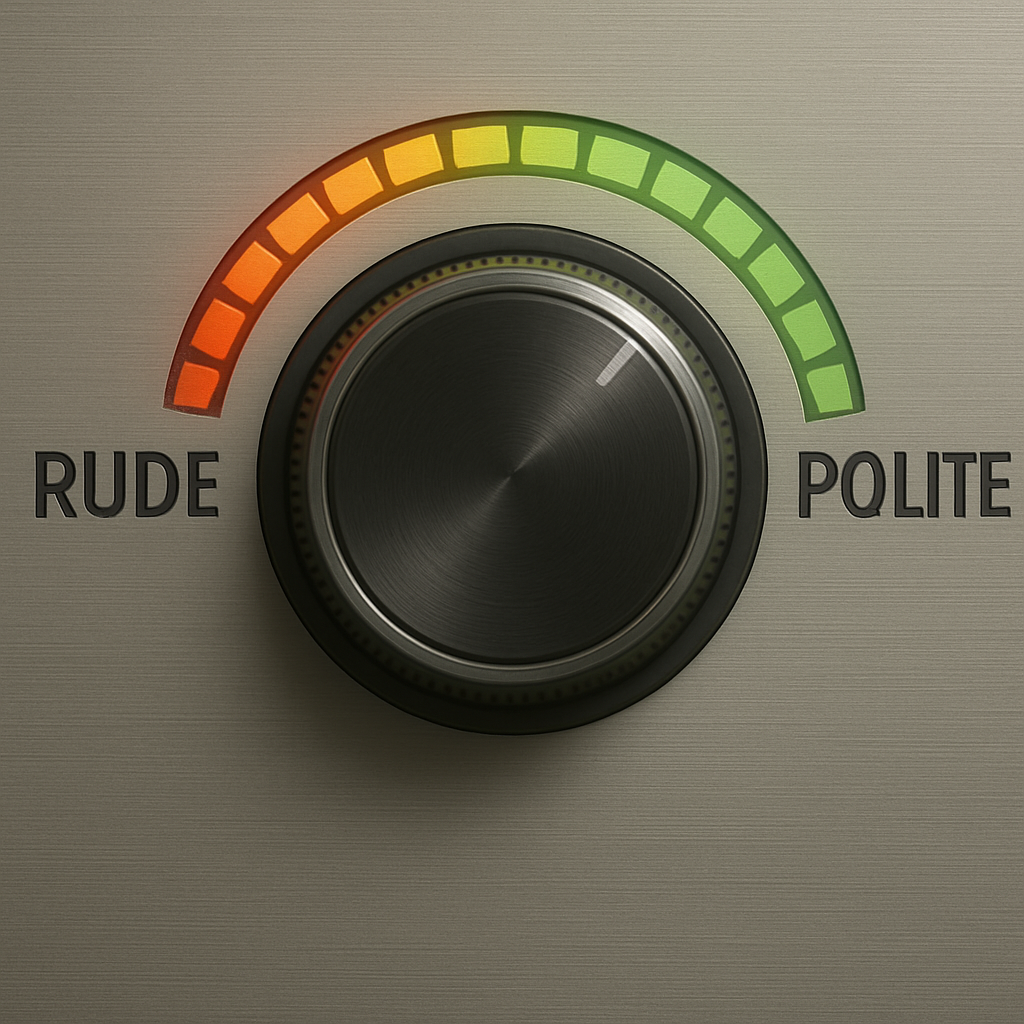
If you've ever cringed at the English translation of a Dutch website because it sounded oddly cheerful, strangely blunt or just not quite right, you're not alone. Even if the grammar and word choice are okay, something feels… off.
That something is often the tone. When the translator captures the meaning but not the feel of the source text, it can feel bossy, childish, robotic or flat. Tone influences trust, so getting the tone right for your target audience is crucial in business writing. Here's how tone gets mistranslated, how it affects your message and how to fix it.
Direct or brusque?
I love Dutch directness. It skips the fluff and gets to the point. Take 'Stuur ons je feedback'. Quick, economical and perfectly normal in Dutch. But a literal translation, 'Send us your feedback', feels like an order. In English, a copywriter is likely to expand the call to action and make it a gentle suggestion, like 'We'd love to hear your thoughts' or 'Feel free to get in touch'. Same idea but a different tone.
One of the things that makes English text feel less direct is the use of modal verbs like 'could', 'should', 'might' and 'would'. They're also often paired with softeners like 'perhaps' or 'a bit'. These little helpers play a big role in making copy feel friendlier. Dutch, however, doesn't use these modal forms in quite the same way, often favouring more direct phrasing. For example, 'Ik help met het rapport' translates literally as 'I will help with the report', which sounds straightforward in Dutch but brusque and even rude in English. A more natural English version would be 'I can help you with the report if you like', which softens the offer and makes it more inviting. A literal translation that doesn't use modal verbs can come across as too blunt or stiff in English.
Harsh or helpful?
Similarly (and I'll admit I'm mentioning it here because this is a particular bugbear of mine), Dutch marketing copy loves a cheerful 'Tip!' followed by a useful instruction. It's a clear, helpful, direct pointer meant to add value. Hints like 'Tip! Vul de fles niet helemaal tot de rand' and 'Tip! Lees eerst de veelgestelde vragen' when translated without making adjustments for tone can come off as condescending — 'Tip! Don't fill the bottle all the way to the top!' — or even harsh — 'Tip! Read the FAQ first' — in English. English copywriters might use something gentler like 'Leave a little space at the top when filling your bottle' and 'It's often quicker to check the FAQ first'. Still helpful, just warmer.
Snappy or smooth?
A dead giveaway that a Dutch text has been translated by AI or a non-native English translator is sentence length and rhythm. English writing favours a more balanced and flowing style, using a variety of shorter and longer sentences to create a natural, engaging pace. This variety helps the reader absorb information smoothly and keeps the tone conversational yet professional. In contrast, Dutch sentences are often a lot shorter, and when translated literally into English, they can feel choppy, robotic or overly simple. A good human translator has an innate feel for language that tells them when and how to vary sentence length in a way that makes the copy pleasant to read.
Little or belittling?
Business texts in the Netherlands are often pretty casual, which might not be appropriate in similar English contexts. What feels warm and friendly in Dutch can sound downright patronising in translation. A trick Dutch copywriters love to use to make their text sound more conversational is the liberal use of the diminutive '-je suffix to make words like 'filmpje', 'tooltje', 'appje', and 'weetje'. These cute little words are all perfectly normal in Dutch marketing copy. But translate them literally , which many translators actually do, and things start to sound weird: 'a little film', 'a little tool', 'a little app', 'a little fact', making the copy feeling like it's talking to adults like they're five.
Questions or commands?
Dutch often uses short questions to introduce a call to action, like 'Heb je vragen?' or 'Meer weten?', often followed by the company's contact details or a link to a webpage. However, when translated too closely, for example as 'Got questions?' or 'Find out more?', such questions can come across as abrupt in English. Instead, English often prefers softer, more inviting prompts: 'If you'd like more information or have any questions, feel free to contact us.'
Dutch copy also uses brief, casual questions as invitations, like 'Kom je erbij?' and 'Kom je langs?' These sound so cheerful, warm and natural in Dutch, but they can feel a bit like a nursery school teacher speaking in English. In business communication, invitations are often (but not always!) better rendered as statements, like, 'We'd love you to join us' or 'Please feel free to drop by', to strike the right professional yet friendly tone.
Upbeat or downbeat?
There are even times when Dutch copy is positive or at least neutral but has a more downbeat tone when closely translated into English. 'Dat is niet verkeerd' often becomes 'That's not bad', which in English sounds underwhelming, when what the writer really meant was 'That's actually pretty great!' 'Dat komt wel goed' means 'That will be fine', but this can feel flat or uncertain in English, when the Dutch version is much more reassuring. A more confident alternative is 'That'll work out' or 'It's all sorted'.
Dutch business and marketing copy often aims for a friendly and direct tone. But when that tone is transferred too literally, the result in English can sound pretty awkward. If your Dutch-to-English translator doesn't adjust for that, your message may not land the way you intended.
Need a Dutch-to-English translation?
If your Dutch copy needs to sound natural for English-speaking audiences, I'll make sure its tone doesn't get lost in translation. You'll find several ways to get in touch to ask about having your Dutch text translated into English here.